

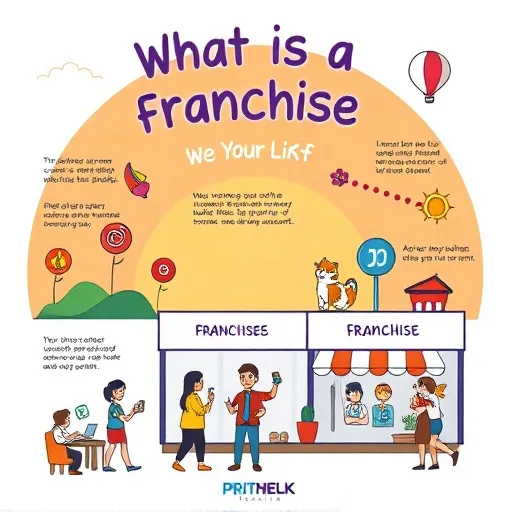
Franchise is a licen
What Is a Franchise, Really? A Quick Refresher
Strip away the glossy brochures and the buzzwords, and a franchise UK arrangement is really just a licensing deal. The franchisor — the brand owner — hands you, the franchisee, the right to run a business under their name, selling their products, following their systems, and leaning on their support structures. In exchange, you pay an upfront franchise fee plus, usually, ongoing royalties or management service fees calculated as a slice of your revenue. That's the whole engine in a nutshell, and it's the foundation of every franchise UK opportunity you'll come across.
Across the UK, this model stretches into just about every corner of commerce — fast-food joints and coffee shops, home-care services, fitness studios, accounting practices, even mobile pet-grooming vans rolling up to your doorstep. The real beauty of a franchise UK setup? You're not reinventing the wheel. The business model has typically been tested, refined, and optimized long before it ever lands in your lap.
That said, not all franchises are created equal. Some roll out comprehensive training and genuine ongoing support; others are basically a logo and a manual and not much else. That gap is exactly why due diligence matters so much when you're weighing any franchise business opportunity.
Why the UK Franchise Sector Keeps Outperforming Much of Europe
The United Kingdom has long been a powerhouse in the franchising world. Industry estimates put the franchise sector's contribution to the UK economy in the billions of pounds annually, supporting hundreds of thousands of jobs — and that figure has kept climbing right into 2026. So what's fueling this momentum for franchise UK growth?
- Proven demand for trusted brands. When the economy gets shaky, consumers gravitate toward names they recognize. A respected franchise brand carries instant credibility that a fresh startup often lacks.
- Access to finance. Several high-street lenders and specialist finance providers in the UK run franchise-specific lending programs, making it easier to secure funding for a franchise UK venture.
- Government-backed support schemes. Enterprise initiatives and business support services across the UK continue to offer guidance, mentoring, and sometimes financial assistance to new business owners.
- Technology lowering barriers. Cloud-based tools for accounting, marketing, scheduling, and customer management mean a single franchisee can now run operations that once required an entire back-office team.
The upshot? A market that's more accessible — but also more competitive. Standing out in the franchise UK landscape requires picking the right opportunity and executing with real discipline.
Exploring the Main Franchise Categories and Business Models in the UK
If you're exploring franchise UK options, the sheer variety hits you fast. Here's a breakdown of the main categories:
Food and beverage franchises. Still the most visible segment. Quick-service restaurants, coffee chains, sandwich bars, and dessert outlets dominate high streets and retail parks. Food is a daily necessity, sure — but margins can be tight, staffing is a headache, and location selection is absolutely critical. A well-known food franchise brand might deliver strong footfall, but you'll pay for that privilege through higher fees.
Health, wellness, and fitness franchises. Post-pandemic, wellness has become a permanent priority for UK consumers. Franchises in personal training, yoga studios, massage therapy, and wellness retail have expanded rapidly. Many are low-investment franchise models that can run from smaller premises or even on a mobile basis.
Home services franchises. Cleaning, plumbing, electrical work, garden maintenance, pest control — this sector is booming. Why? These are needs that never disappear, and customers increasingly prefer booking through a recognizable brand rather than hiring an unknown sole trader. Plenty of home-based franchise opportunities sit in this category, keeping overheads manageable.
Business-to-business service franchises. Accounting, HR consulting, marketing services, IT support — B2B franchises appeal to professionals who want to leverage existing skills within a structured framework. These tend to carry higher initial fees but also higher revenue potential per client.
Children's education and activity franchises. Tutoring, coding classes, sports coaching, and creative workshops for kids represent a growing niche. Parents invest heavily in their children's development, and a trusted franchise brand here can build strong community loyalty.
Mobile and van-based franchises. From dog grooming to vehicle valeting to mobile coffee carts, van-based models have surged in popularity. They offer flexibility, lower premises costs, and the ability to serve multiple locations. If you're hunting for a franchise for sale UK that doesn't lock you into a long retail lease, this category deserves serious thought.
The Legal Framework and Franchise Agreement Basics in the UK
Here's a point that surprises plenty of newcomers: the UK doesn't have a single, dedicated franchise law. Unlike countries that mandate pre-sale disclosure documents, the UK regulates franchising through general commercial law, contract law, and sector-specific regulations. What does that mean for you? The onus is on you — the prospective franchisee — to do your homework. Nobody is legally required to hand you a standardized disclosure document. You've got to ask the right questions, read the contract carefully, and ideally seek independent legal advice before committing to any franchise UK agreement.
Key elements typically found in a UK franchise agreement include territory definition (exactly where can you operate, and is it exclusive?), term and renewal (most run five to ten years with renewal options), fees and royalties (initial fee, ongoing management service fees, marketing contributions), training and support obligations, and exit and termination clauses. The British Franchise Association is the UK's leading self-regulatory body — membership isn't mandatory, but choosing a member franchisor offers a degree of assurance that the business has been assessed against established ethical standards. It's not a guarantee of success, but it's a meaningful signal when scanning the franchise UK market.
Franchise Costs, Financing Options, and Investment Tiers in 2026
Costs vary wildly depending on sector, brand recognition, and business model. Broadly, franchise UK investments fall into three tiers. Low-investment franchises (£5,000–£25,000) are typically home-based or mobile operations — cleaning, tutoring, pet care. They're popular with first-time franchisees testing the waters. Mid-range franchises (£25,000–£100,000) include many retail, fitness, and food-service concepts needing premises but not massive build-outs. Premium franchises (£100,000+) are the big-ticket operations — full restaurant builds, large retail units, multi-unit development agreements.
Beyond the franchise fee itself, always budget for legal and professional fees, premises lease and fit-out, equipment and technology setup, initial inventory, insurance, and working capital for the first six to twelve months. A common rule of thumb: have enough capital to cover at least six months of operating expenses without relying on revenue. On the financing side, franchise UK hopefuls can tap high-street bank loans, asset finance for equipment-heavy setups, government-backed startup loan schemes, personal savings, and alternative lenders. Whatever route you choose, prepare a solid business plan — lenders want realistic projections and evidence of genuine due diligence.
Due Diligence, Support Expectations, and Common Pitfalls to Dodge
Evaluating a franchise UK opportunity properly means requesting the disclosure document, speaking to at least three to five current franchisees, and — the step most people skip — talking to former franchisees who've left the network. Analyze the financials with healthy skepticism, confirm your territory is genuinely protected, get specialist legal advice, and check the brand's online reputation. A well-established franchise brand should have a transparent public footprint.
A strong franchisor delivers initial training, ongoing development, marketing support, operational field visits, a network community, and pre-negotiated supplier deals. If they can't clearly articulate their support offering, keep looking. And watch out for the classic mistakes: falling for a brand without crunching the numbers, underestimating working capital, skipping legal review, and choosing a franchise UK opportunity based purely on passion rather than whether the day-to-day operations actually suit your skills and temperament.
The market in 2026 is more sophisticated than ever — technology has lowered operational barriers, demand for trusted brands remains strong, and opportunities span virtually every budget. But competition is fierce and costs have risen. If you take one thing away, let it be this: do the work before you sign. The right franchise UK opportunity is out there — you just need to find it with the same care you'd put into any significant life investment.